
The Freight Cost Dilemma
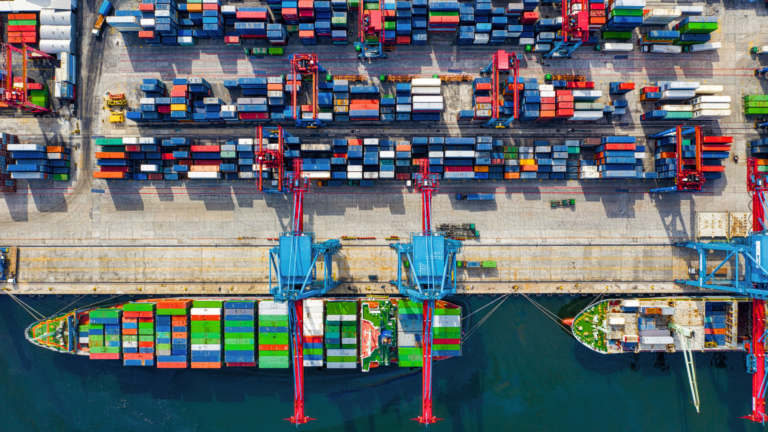
The landscape of freight transportation is currently characterized by escalating costs, placing significant pressures on shippers across various sectors. A combination of factors including increased fuel prices, supply chain disruptions, and demand fluctuations have contributed to this rise in freight costs. As a result, shippers are compelled to re-evaluate their logistics strategies to adapt to these financial challenges while striving to meet customer expectations.
In an increasingly competitive market, maintaining delivery speed is equally important as managing operational expenses. Customers today demand not only value for money but also timely deliveries, making it essential for shippers to strike a delicate balance between cost savings and service efficiency. If shippers can effectively reduce freight costs without impacting delivery timelines, they can gain a significant advantage over competitors who may struggle with rising expenses.
This dilemma requires a nuanced approach wherein shippers must employ innovative strategies to navigate their way through the complexities of freight cost management. From leveraging technology to improve route optimization, to re-negotiating contracts with carriers, there are various tactics available that can assist in achieving cost reductions. However, these strategies must be implemented judiciously to ensure that they do not compromise the quality of service that customers have come to expect.
As the freight cost crisis continues, the pressing need for shippers to rethink their logistics frameworks has never been more evident. It is crucial to embrace a proactive mindset, one that prioritizes efficiency and cost-effectiveness in equal measure. Through careful planning and strategy implementation, shippers can navigate the freight cost dilemma successfully while ensuring that they remain competitive in the marketplace.
Understanding Hidden Costs in Shipping
When analyzing shipping expenses, it is essential for shippers to look beyond the basic freight rates, as several hidden costs contribute significantly to the overall expenditure. Among these are fuel surcharges, accessorial fees, and route inefficiencies, which can result in unexpected financial burdens that affect the shipping budget.
Fuel surcharges, for example, have become a common component of freight billing. As fuel prices fluctuate, carriers often pass these costs onto shippers through additional charges. According to the American Transportation Research Institute, fuel surcharges accounted for an average of 15% of total transportation costs over the past year. This percentage can increase depending on market conditions, thus impacting a shipper’s bottom line significantly.
Accessorial fees are another critical factor that can inflate shipping expenses. These fees are charged for services that go beyond the standard delivery process, such as liftgate service, inside delivery, or extended delivery hours. For example, if a shipment requires a liftgate due to no loading dock availability, this could incur an extra $75 or more, depending on the carrier. Accrued accessorial fees can rapidly accumulate and create an unanticipated financial strain if not monitored closely.
Additionally, route inefficiencies can lead to increased costs that may not be readily apparent. Suboptimal routing, including lengthy detours or poorly planned delivery schedules, can increase both transit time and transportation costs. For instance, a shipment that takes a longer path due to traffic conditions or suboptimal route planning can lead to additional fuel consumption, resulting in higher freight costs.
By recognizing these hidden costs fuel surcharges, accessorial fees, and route inefficiencies shippers can develop strategies to manage and mitigate their expenses effectively. This awareness enables them to make informed decisions, helping to maintain their profit margins while ensuring timely deliveries.
Actionable Strategies for Cost Reduction
In the ever-evolving landscape of logistics, shippers face the continuous challenge of reducing freight costs while maintaining delivery speed. By implementing a number of actionable strategies, businesses can achieve cost efficiencies that do not compromise the timeliness of their shipments.
One primary strategy involves leveraging volume discounts. Many carriers offer reduced rates for businesses that can commit to higher shipment volumes. By planning logistics and shipment schedules to consolidate orders, shippers may secure these volume discounts. This not only reduces cost but also optimizes transportation resources, leading to more efficient route management.
Furthermore, consolidating shipments is another effective approach. By combining multiple smaller shipments into a single larger shipment, shippers can take advantage of discounted rates and reduce per-unit shipping costs. Effective planning and coordination can make it feasible to batch deliveries, which also limits the frequency of shipments and contributes to lower overall costs.
Another essential strategy is negotiating with carriers. Establishing strong relationships with multiple freight providers allows shippers to compare services and pricing. Active negotiation can yield favorable terms, such as reduced rates or improved service levels. It is advantageous for shippers to communicate their specific needs and shipping volumes clearly, which can incentivize carriers to provide competitive pricing.
Shippers should also consider using freight management software to gain greater visibility into shipping operations, allowing better planning and execution of their logistics strategy. This technology can provide insights into the most cost-effective shipping methods, helping businesses track expenses and optimize delivery schedules.
By implementing these actionable strategies leveraging volume discounts, consolidating shipments, negotiating prices, and utilizing technology shippers can effectively reduce freight costs without sacrificing delivery speed.
The Role of Technology in Optimizing Freight Costs
In today’s competitive logistics landscape, technology has transformed the way shippers manage their operations. Leveraging modern technology not only aids in reducing freight costs but also enhances efficiency without compromising delivery speed. The integration of automation tools and advanced software is pivotal in streamlining various processes involved in shipping and inventory management.
One of the key tools employed by shippers is Transportation Management Systems (TMS). This software enables shippers to plan, execute, and optimize the movement of goods, offering real-time visibility into shipping operations. With TMS, companies can analyze shipping routes, compare carrier rates, and efficiently allocate resources. This capacity to monitor shipments helps shippers avoid delays and unnecessary costs, thereby promoting better cost management.
Additionally, Inventory Management Software (IMS) plays an essential role in enhancing operational efficiency. By automating inventory processes, shippers can ensure they maintain optimal stock levels, reducing excess inventory that ties up capital. Such tools facilitate accurate forecasting, enabling shippers to align their inventory with demand patterns. As a result, this not only lowers storage expenses but also ensures timely delivery of goods to customers.
Data analytics tools are also crucial for shippers looking to optimize freight spending. By analyzing shipping data, such as transit times, costs, and carrier performance, shippers can make informed decisions to identify trends and inefficiencies. These insights empower businesses to negotiate better rates with carriers based on performance metrics, ultimately driving down freight costs.
In summary, the adoption of technology, including TMS, IMS, and data analytics, significantly enhances shippers’ ability to optimize freight costs. By embracing these innovative tools, shippers can streamline their operations while maintaining or even improving delivery speeds, thus achieving a balance between cost reduction and customer satisfaction.
Route Optimization Techniques
In the logistics and shipping industry, route optimization plays a crucial role in reducing freight costs while maintaining delivery speed. By employing effective route optimization strategies, shippers can minimize fuel consumption, reduce transit times, and enhance overall service efficiency. One of the fundamental techniques involves utilizing advanced routing software that analyzes various parameters including traffic patterns, distance, road conditions, and delivery windows.
For instance, companies can leverage GPS technology to gather real-time data on traffic congestion and adjust routes accordingly. A clear case is seen in the practices of a major logistics firm, which incorporated a routing algorithm that reroutes deliveries based on live traffic updates, consequently reducing miles driven and lowering fuel usage. This not only cuts costs but also improves on-time delivery metrics.
Another powerful strategy is the consolidation of shipments. By combining multiple deliveries to similar geographic areas into a single trip, shippers can avoid unnecessary detours and maximize vehicle capacity. An example is a distribution center strategically planning its delivery routes to group nearby customers, reducing the number of trips required. Implementing such approaches results in optimized route planning that directly translates into substantial savings.
Additionally, adopting predictive analytics can lead to more informed decisions regarding route planning. By analyzing historical data on delivery times and traffic conditions, shippers can forecast potential delays and proactively alter routes to prevent disruptions. This foresightedness ensures that deliveries remain efficient while keeping costs down.
Overall, route optimization techniques are indispensable tools for shippers aiming to cut freight costs without compromising speed. With continual advancements in technology, utilizing these methods not only enhances operational efficiency but also fosters improved customer satisfaction through reliable delivery performance.
Leveraging Data Analytics for Cost Efficiency
In the current logistics landscape, leveraging data analytics has emerged as a crucial strategy for shippers aiming to reduce freight costs without compromising delivery speed. By harnessing the power of data, shippers can identify cost-saving opportunities through the analysis of shipping trends, performance metrics, and carrier efficiency.
One of the primary methods involves the collection and analysis of historical shipping data. This includes looking at past shipping volumes, delivery times, and cost patterns. By using predictive analytics, shippers can forecast future demands and costs, enabling them to make informed decisions regarding shipment frequency, route selection, and carrier choice. Tools such as dashboards and reporting systems can help visualize shipping data, uncovering trends and anomalies that may not be immediately apparent.
Another valuable approach entails monitoring carrier performance metrics. Shippers should evaluate carriers based on criteria such as on-time delivery rates, cost per shipment, and service quality. This analysis helps identify underperforming carriers or those that consistently offer the best rates for specific routes. By negotiating contracts with the most efficient carriers, shippers can secure better rates and services, dramatically lowering costs over time.
Additionally, shippers can utilize data analytics to assess their overall shipping strategy. This involves examining packaging standards, load optimization, and route efficiency. By applying analytical techniques to these areas, shippers can streamline operations, reduce waste, and ultimately achieve a more cost-effective shipping process. The integration of data analytics into daily operations not only aids in reducing costs but also enhances decision-making capabilities, aligning with business objectives.
Building Strong Relationships with Carriers
Establishing and nurturing robust relationships with freight carriers is a fundamental strategy for shippers aiming to reduce freight costs while maintaining delivery speed. Strong partnerships can lead to more favorable rates, improved service levels, and enhanced reliability in the supply chain.
Effective communication is critical in developing these relationships. Shippers should engage with their carriers regularly to discuss expectations, operational challenges, and market conditions. Setting up routine meetings or calls can facilitate open dialogue, providing an opportunity to address any issues proactively. By maintaining transparency regarding shipping volumes, seasonality fluctuations, and upcoming projects, shippers can help carriers align their resources effectively, which often leads to better pricing agreements.
In addition to communication, shippers should seek to understand the operational needs of their carriers. By recognizing their challenges such as capacity constraints, fuel prices, or regulatory changes shippers can be better positioned to negotiate terms that are mutually beneficial. Creating a partnership environment where both parties are invested in each other’s success will foster goodwill and enhance service quality.
Another valuable strategy is to leverage technology. Many freight carriers utilize transportation management systems (TMS) to optimize their operations. Shippers may consider sharing data through these systems to enhance coordination and forecasting accuracy. This can improve delivery timelines and reduce operational inefficiencies, which can directly impact freight costs.
Moreover, developing personalized experiences with key carriers by recognizing their contributions or accommodating their unique requirements can significantly enhance relationships. Offering feedback on performance, celebrating milestones together, and having a clear dispute resolution process helps in building trust and respect, ultimately translating into better service and reliable pricing.
Emotional Impact: Achieving Peace of Mind in Operations
In the dynamic world of shipping, the pressure to manage costs effectively while maintaining delivery speed can have a considerable emotional impact on shippers and business owners alike. The necessity to find a balance between these competing priorities can induce stress and uncertainty. However, employing strategies to reduce freight costs can significantly enhance operational stability, leading to greater peace of mind.
By adopting efficient shipping practices and exploring cost-effective transportation options, businesses can not only reduce expenses but also bolster their operational reliability. For instance, utilizing technology such as route optimization software can streamline logistics, leading to timely deliveries and minimized delays. This reliability fosters a sense of control over shipping processes, alleviating stress for stakeholders involved.
Moreover, having clear visibility into shipping costs can enable better budgeting and forecasting, which are essential for long-term business health. When shippers know their expenses in advance, they can allocate resources more efficiently, contributing to a less chaotic operational environment. This essentially allows them to focus on growth strategies rather than being bogged down by unforeseen shipping costs.
Ultimately, when businesses implement effective freight cost management techniques, they experience a tangible decline in anxiety levels associated with shipping logistics. The emotional toll of unpredictability and financial strain diminishes, allowing leaders to concentrate on other critical areas of their operations. In turn, this cultivates a positive work culture, promoting not only efficiency but also employee morale.
Achieving a state of peace of mind is not merely about financial savings; it encompasses the broader scope of business resilience. When shippers embrace cost-management strategies in freight, they not only safeguard their bottom line but also enhance their operational integrity, leading to a healthier overall business environment.
Conclusion and Call to Action
In this post, we have explored several strategies that shippers can implement to effectively reduce freight costs without compromising the speed of delivery. Among these strategies, optimizing shipping routes, consolidating shipments, and negotiating better rates with carriers emerged as crucial methods for cutting costs. These approaches not only enhance operational efficiency but also ensure that shipments reach their destinations promptly, thereby maintaining customer satisfaction and loyalty. Emphasizing the balance between cost reduction and delivery efficiency is vital for businesses that rely on shipping as a core component of their supply chain.
Shippers must remain vigilant and open to adapting their strategies as market conditions change. Utilizing technology, such as freight management software, can play a pivotal role in streamlining the logistics processes, making it easier for companies to monitor and manage their freight expenses effectively. Moreover, analyzing shipping data regularly can provide valuable insights that help identify areas where further cost savings can be achieved.
To implement these cost-reduction strategies effectively, consider partnering with a specialized freight service provider. QuickGS offers tailored freight solutions designed to meet your unique needs while ensuring that both cost and delivery speed are optimized. Our experts are well-equipped to help you navigate various logistics challenges while focusing on your bottom line.
If you are interested in learning more about how QuickGS can assist your business in reducing freight costs without sacrificing delivery efficiency, please do not hesitate to contact us. You can reach out through our website or call us directly at +1 307 509 5759. Together, we can develop a strategy that ensures your freight operations are cost-effective and responsive to your customer requirements.